

resources
"Somehow, a pervasive idea has spread in modern times that the mom who is out and about soonest with her baby is somehow the strongest, like an episode of Survivor... But that's all upside down–in a healthy postpartum period, it's she who stays still that wins the prize."
— Heng Ou, The First Forty Days
A growing library of evidence-based postpartum care, nourishing ingredients, and holistic healing practices for new mamas.
Daisy Mama is here to make recovery feel supported, informed, and deeply human. Because how you’re care for after birth matters.
Focus
Warmth, nourishment, and gentle guidance for every stage of postpartum.
Updated
November 2025
Daisy Mama believes that a major aspect of postpartum wellness is intentionally replenishing nutrients to provide a foundation for long-term health and vitality. We combine evidence-based research with intuitive, century-old wisdom to create a holistic, natural approach to postpartum nourishment. Our focus is on warming, nutrient-dense ingredients that support a mama’s whole self.
Warmth is central to many postpartum healing practices around the world. Blood loss during birth can contribute to decreased circulation and reduced warmth throughout the body (Ouzounian, 2012). Warming herbs and drinks such as bone broth, herbal teas, and soups help improve circulation, boost iron levels, and reduce inflammation. These ingredients also support digestion during postpartum recovery, allowing for optimal nutrient absorption and sustained energy.
Nutrient-dense foods are also essential during this time. Many key vitamins and minerals are often depleted during pregnancy and childbirth (Aparicio, 2020). This depletion can leave a new mother feeling fatigued, foggy, and emotionally strained. Common symptoms such as postpartum hair loss, mood swings, anxiety, depression, and low energy often reflect these nutritional gaps (Sun, 2023). Incorporating ingredients like ginger, turmeric, nettle, cacao, and honey can help replenish vital nutrients, supporting both physical and emotional well-being.
-
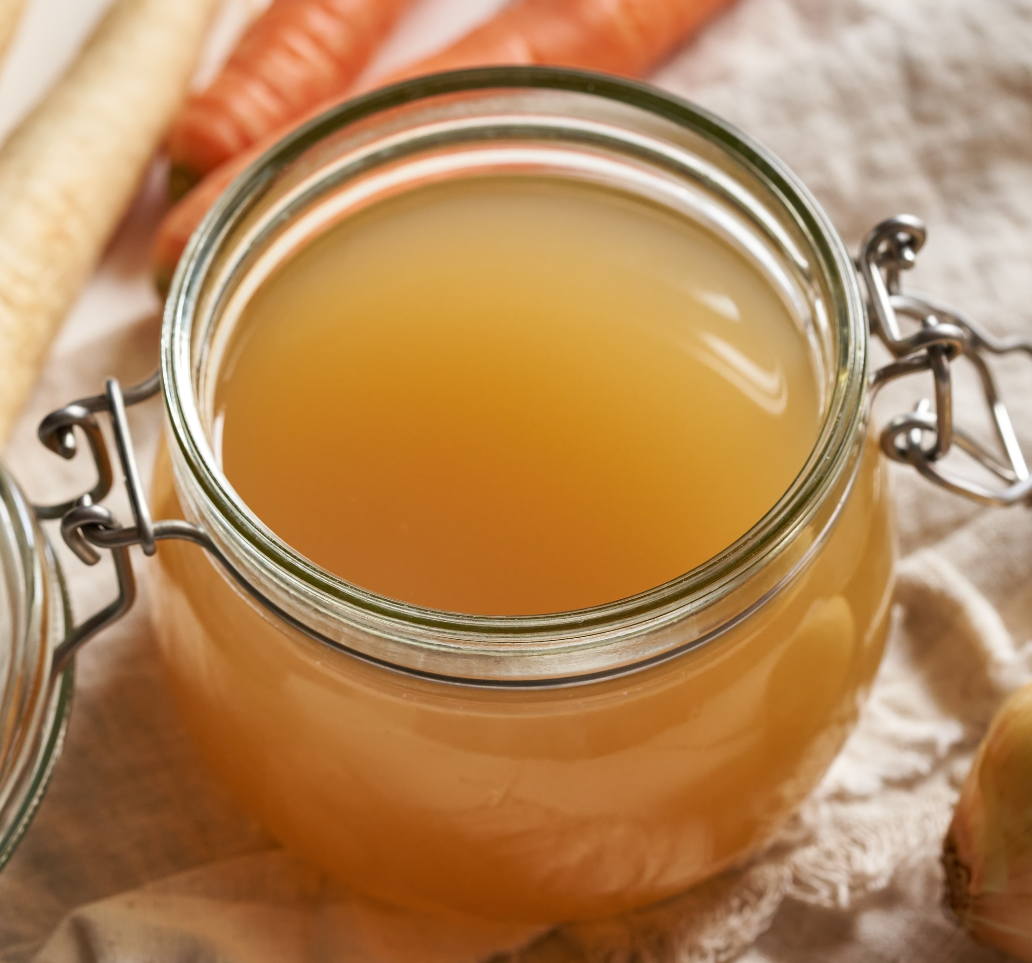
Bone broth
Rich in minerals often depleted postpartum and gelatin to support tissue healing and digestion.
-
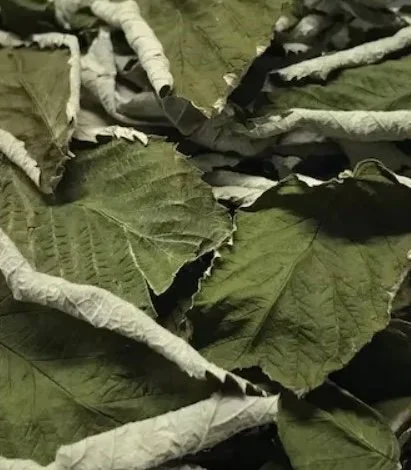
Raspberry Leaf
Source of iron, vitamin C, calcium, and magnesium to support postpartum wellness.
-
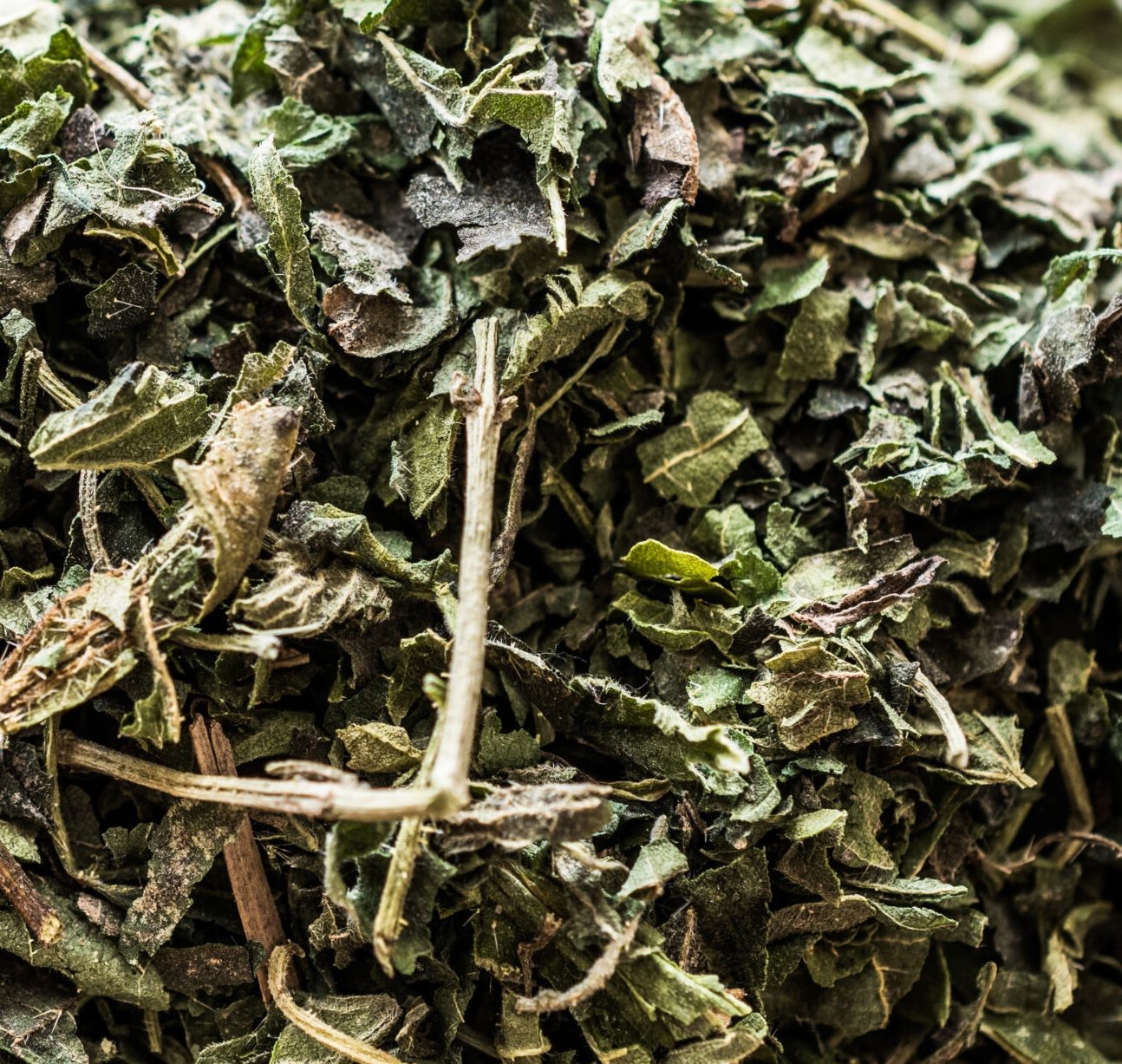
Nettle
Considered blood-building in Ayurveda, to help strengthen and revitalize in postpartum.
-
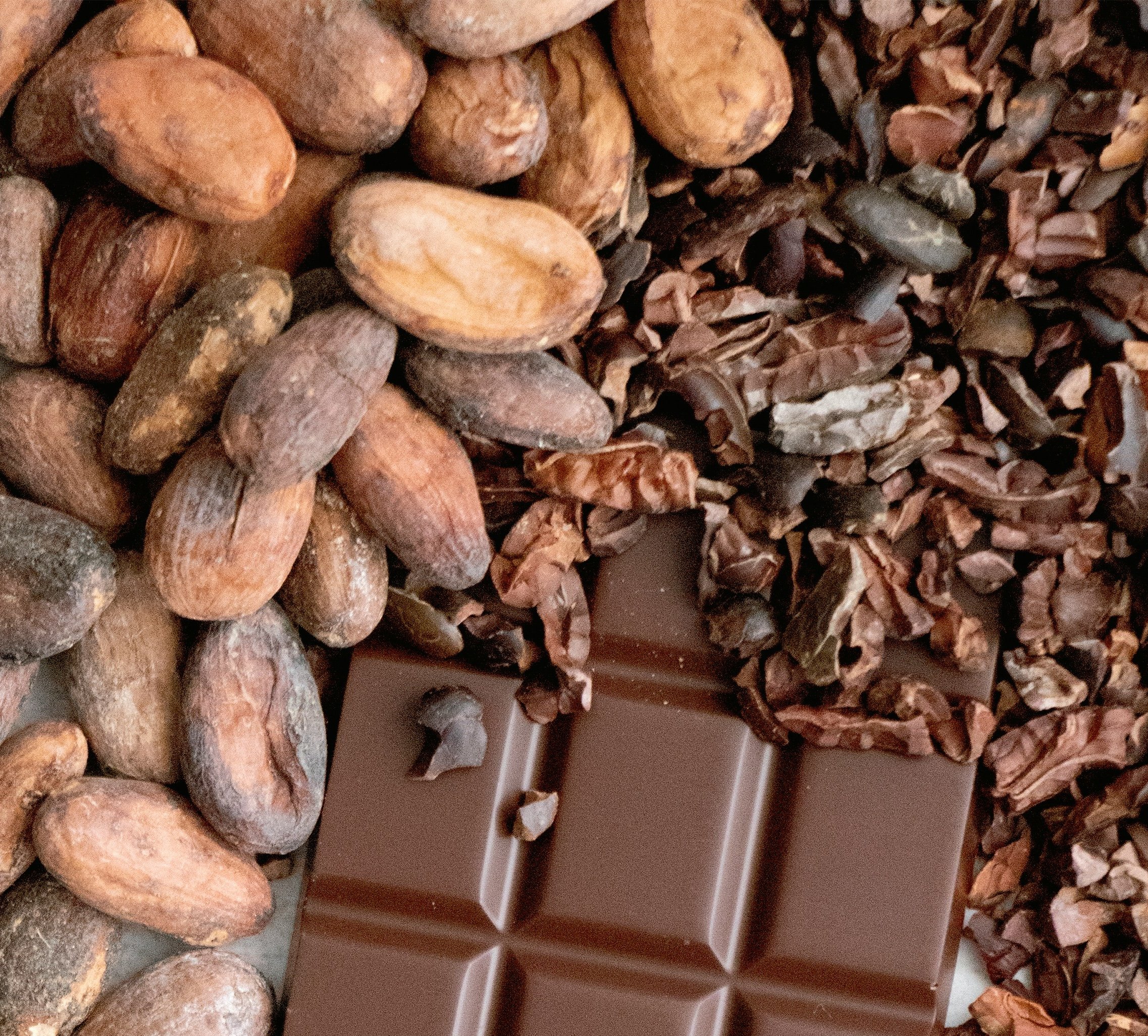
Cacao
Source of magnesium and antioxidants to support a healthy mood postpartum.
-
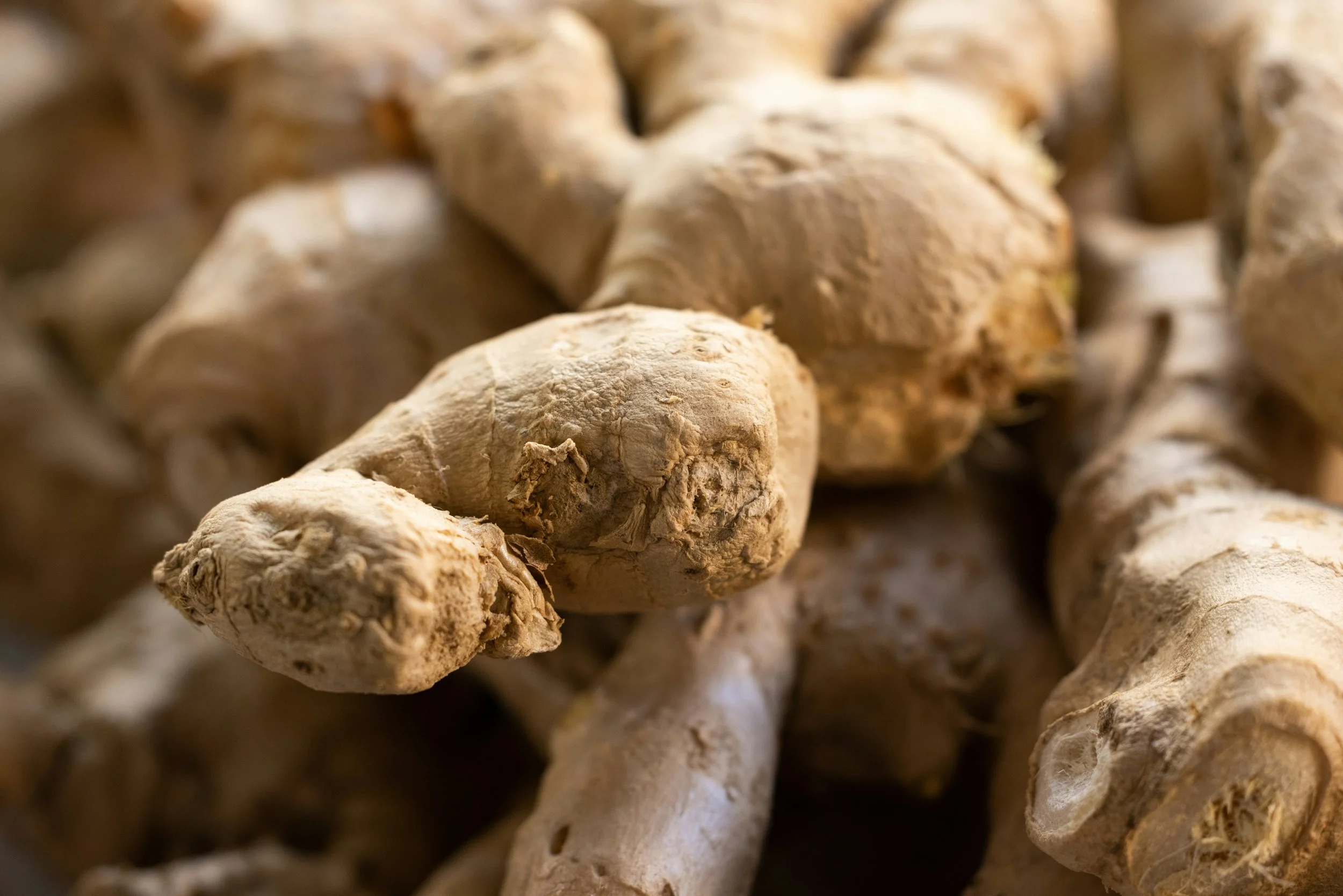
Ginger
Gently warms the body while soothing inflammation and supporting the immune system postpartum recovery.
-
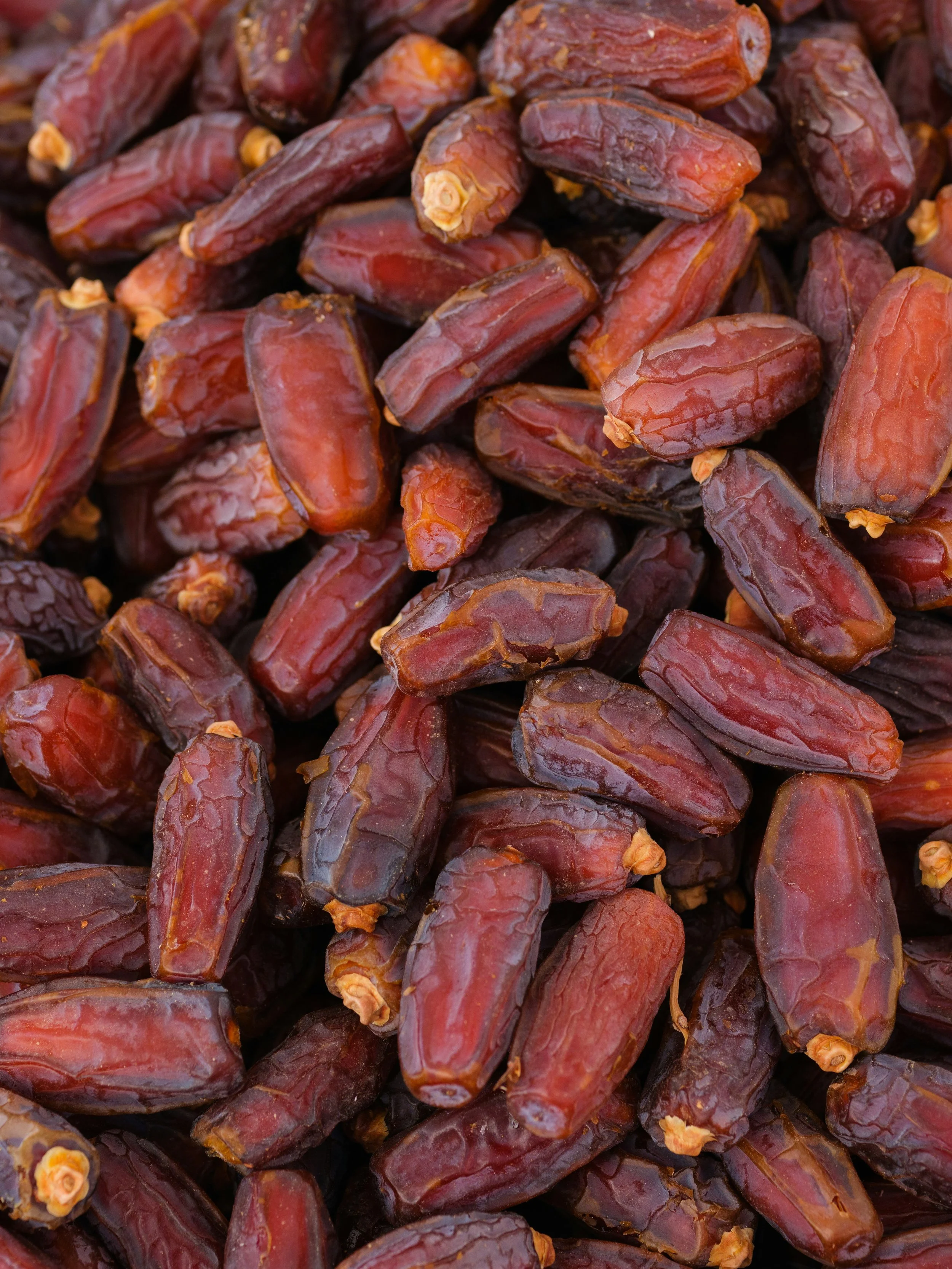
Dates
Nourishing source of vitamins and minerals, including folate, iron, and potassium.
-
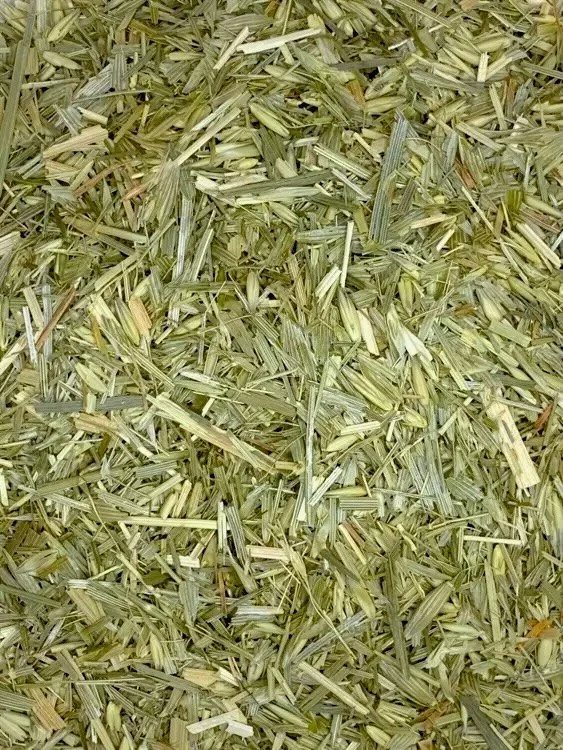
Oatstraw
Used in ancient practices to support the nervous system in periods of fatigue and depletion.
-
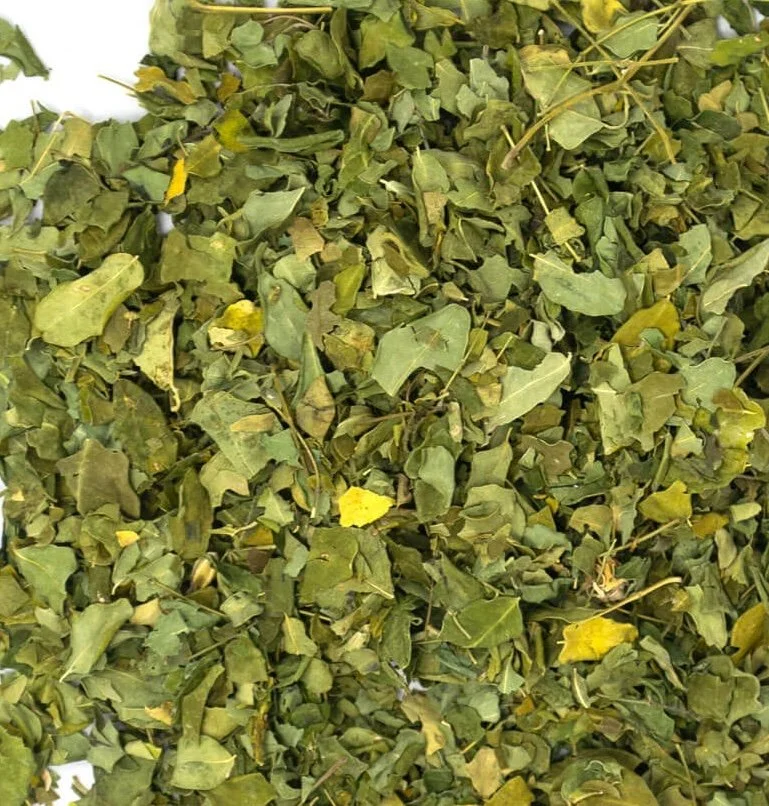
Moringa
Used in many cultures to replenish vitamins A, C, and B, along with essential minerals, helping to restore energy postpartum.
-
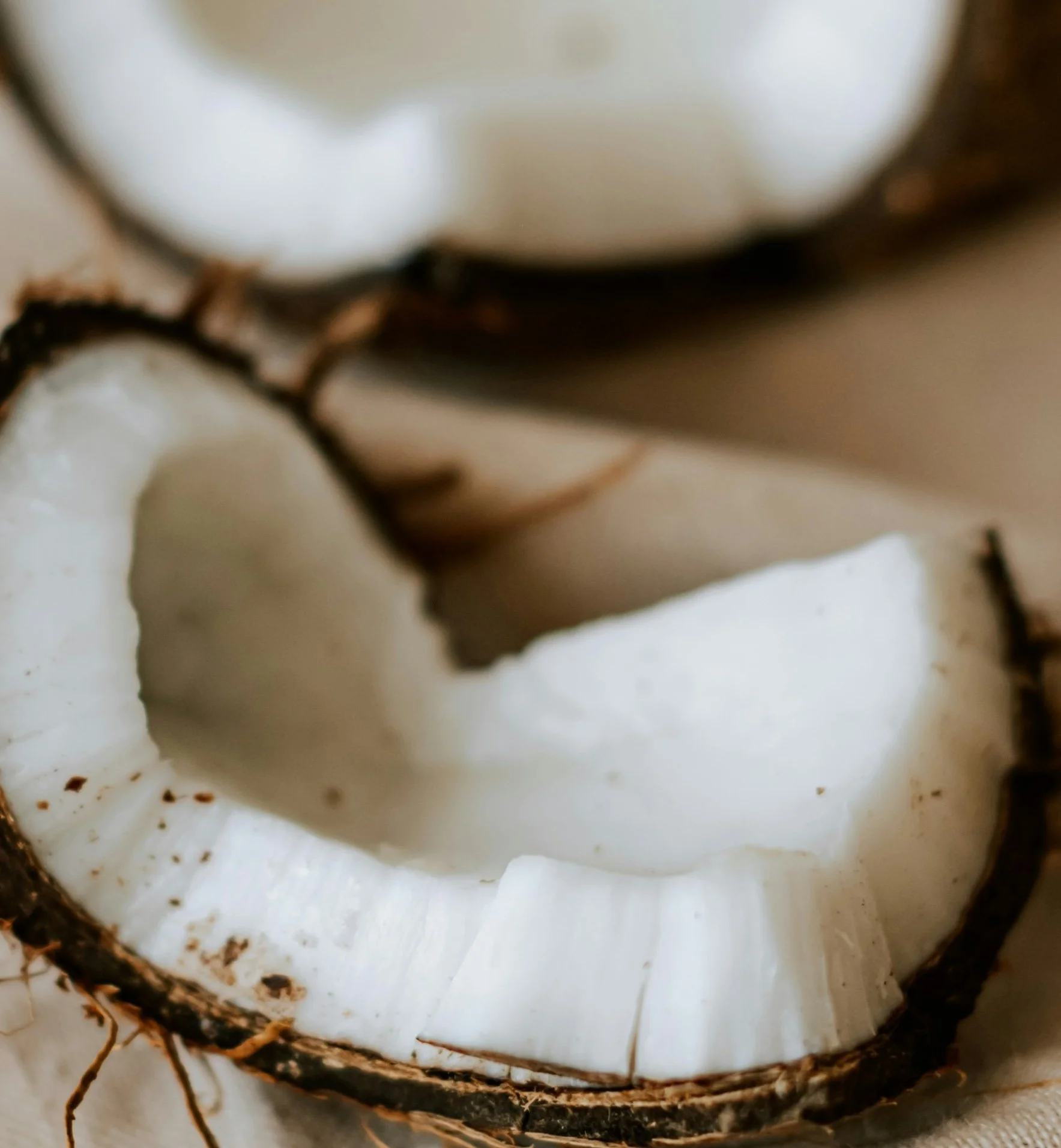
Coconut
Provides healthy fats for hormone regulation, electrolytes for hydration, and medium-chain triglycerides that aid energy, digestion, and overall healing.
-
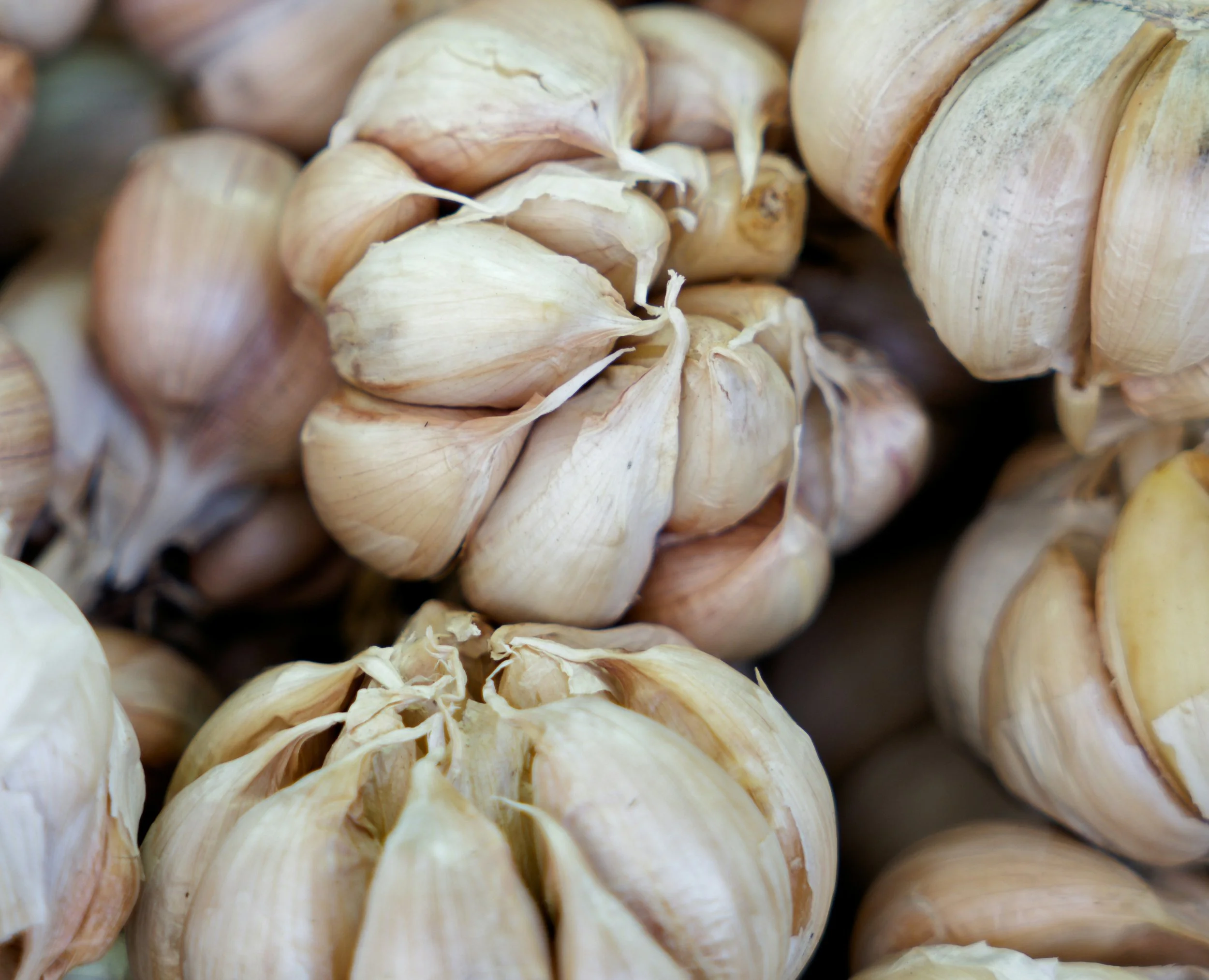
Garlic
Boost circulation for tissue repair and reduces inflammation with its natural antioxidant and antimicrobial compounds.
-
Tumeric
A warming spice full of curcumin, a compound shown to reduce inflammation and support healthy liver function in postpartum.
-
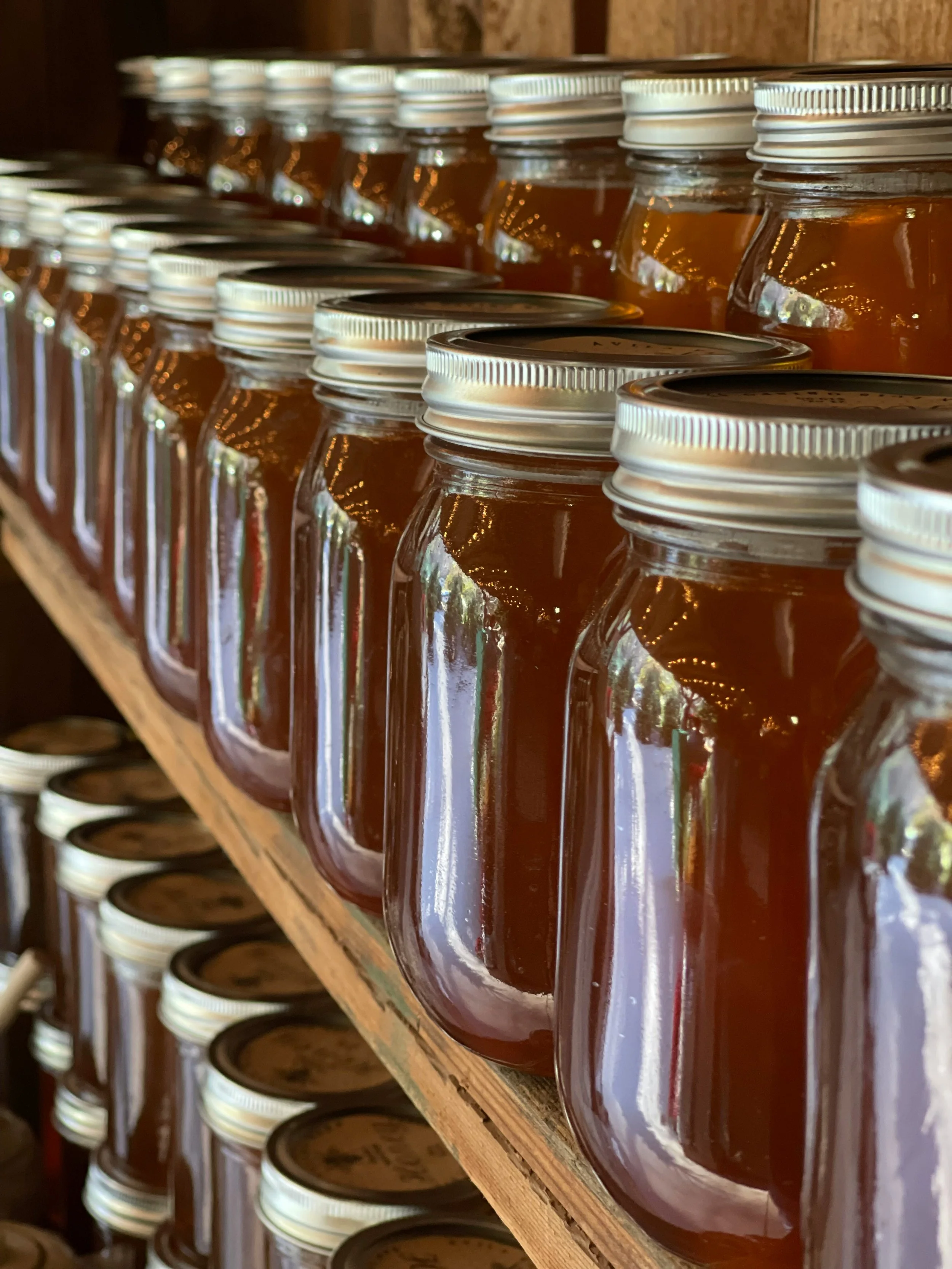
Honey
Provides natural antioxidants, antimicrobial properties, and easily digestible carbs that boost energy, support immune function, and soothe inflammation.
-
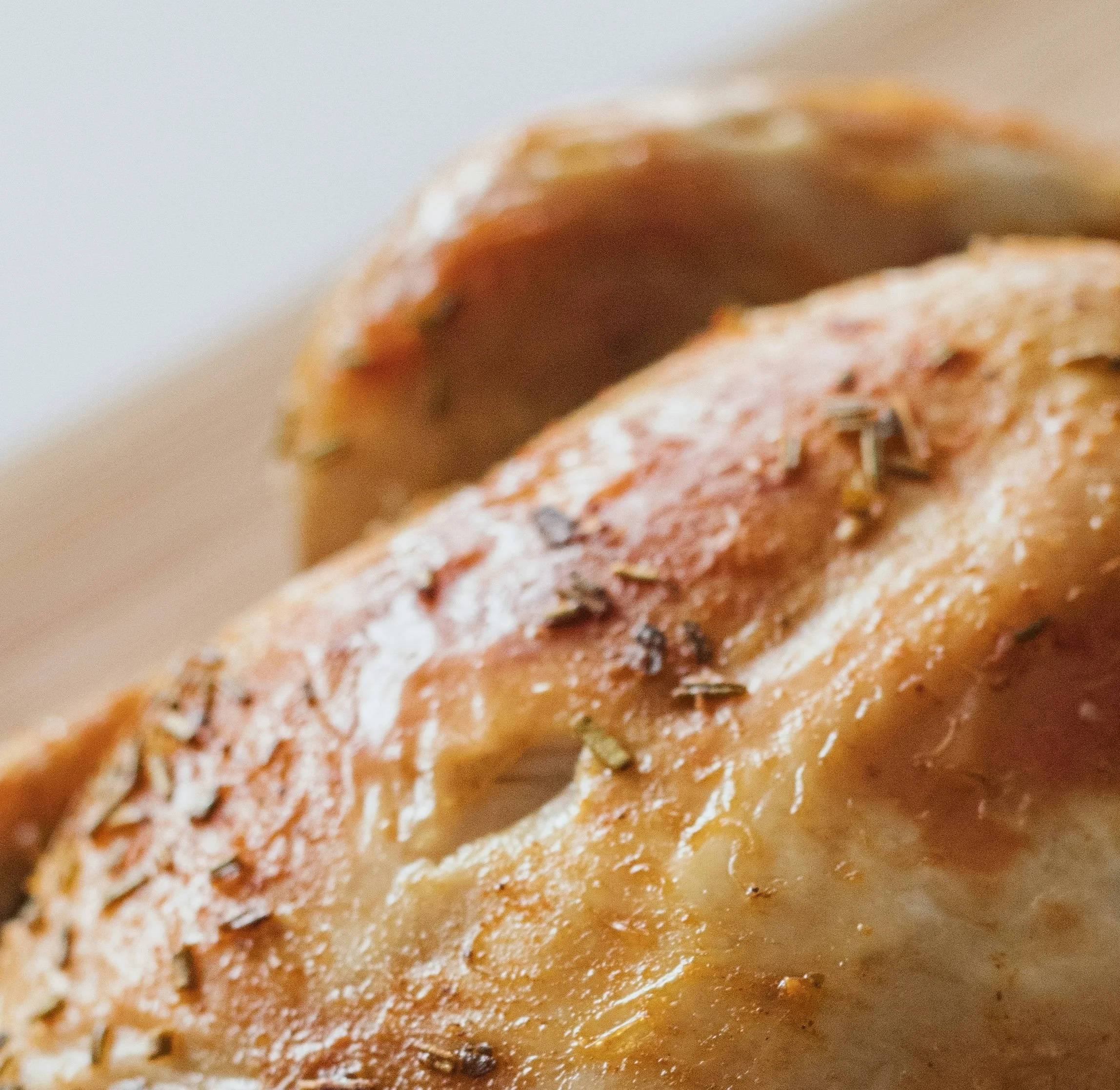
Turkey + chicken
Rich in amino acids and B vitamins that help support mood and nurture the nervous system.
-
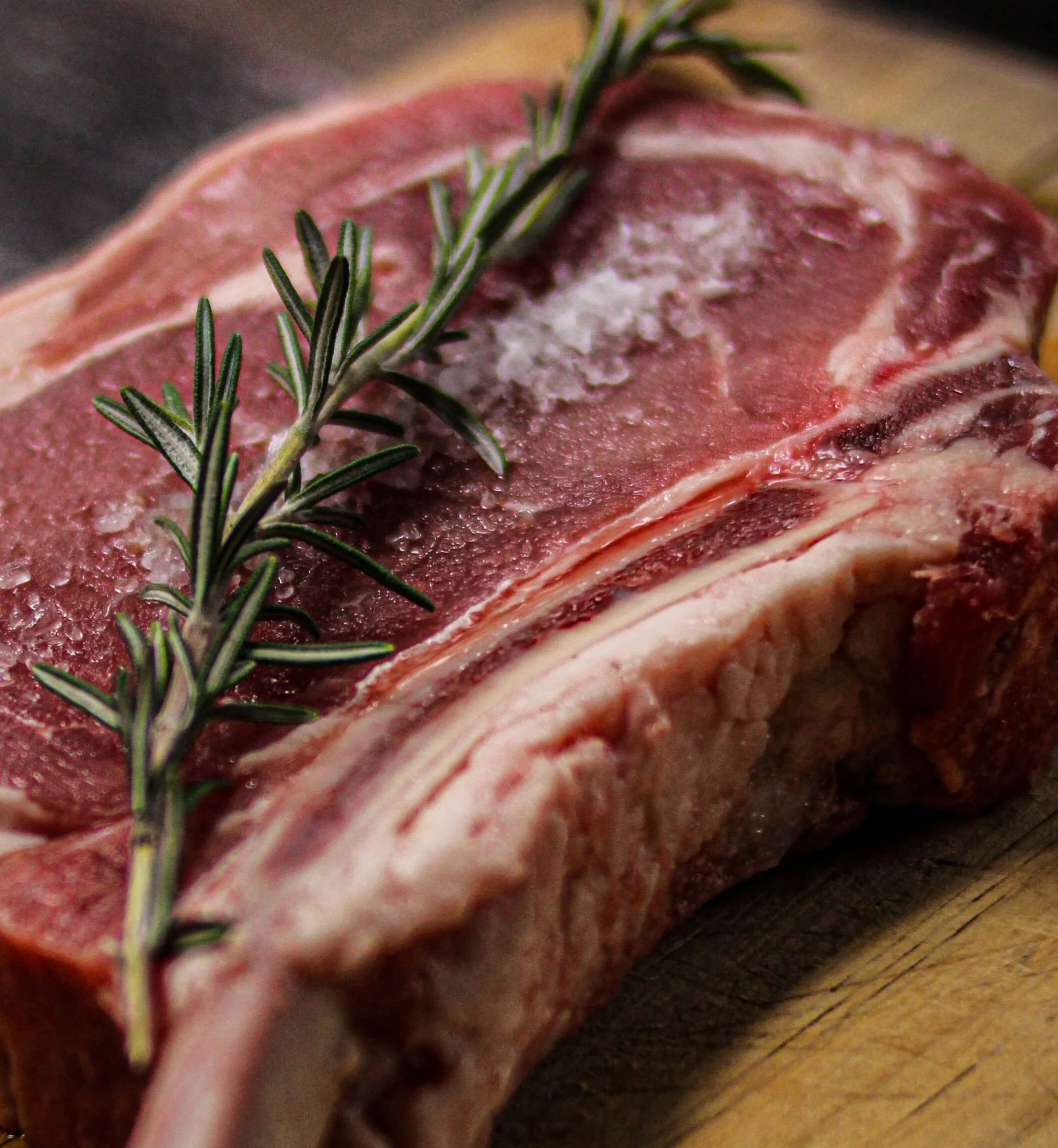
Beef
Provides iron, high-quality protein, zinc, and B vitamins that help rebuild tissue, restore energy, and prevent postpartum anemia.
-
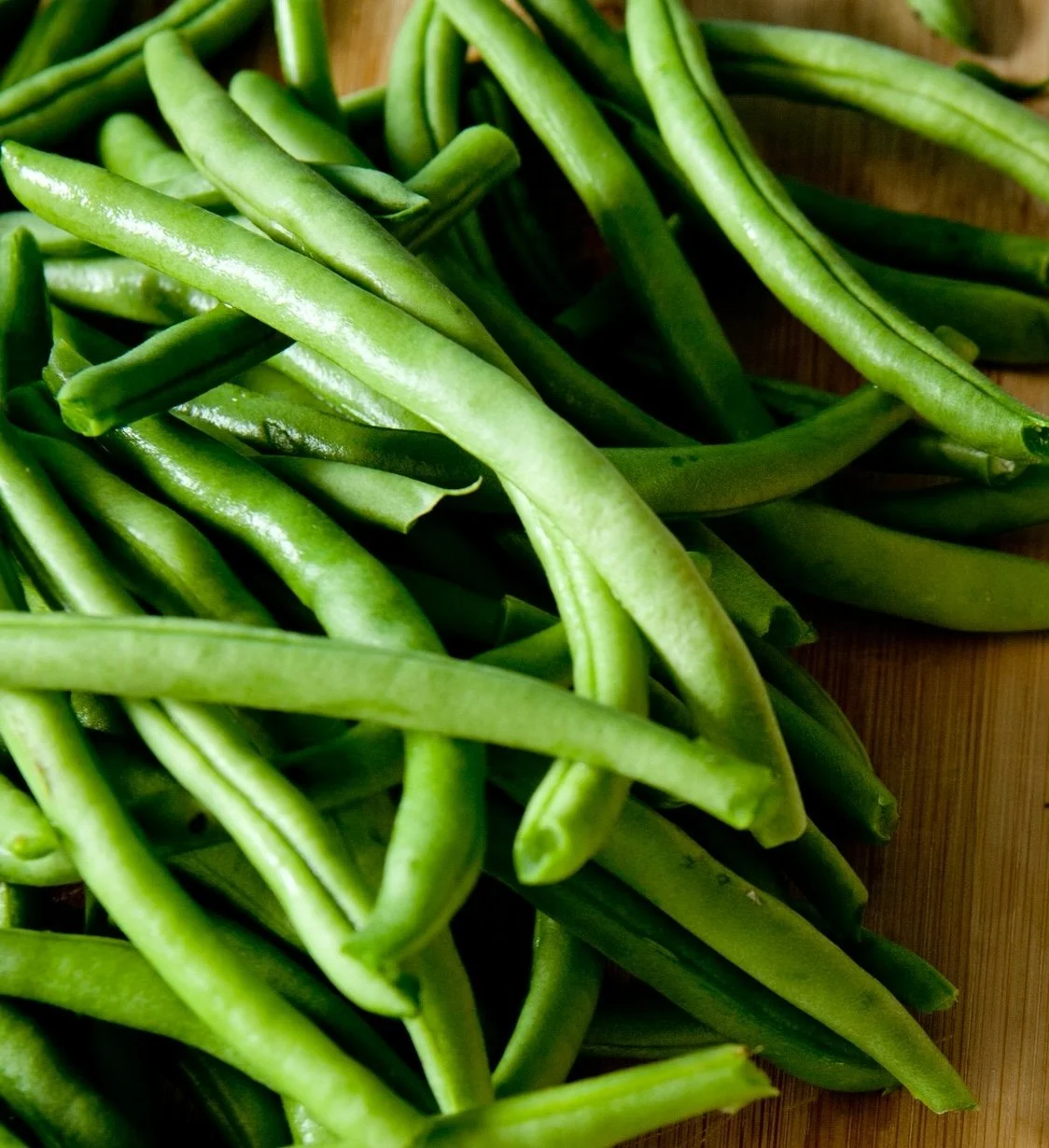
Green Beans
Rich in vitamins, minerals, and fiber, to help support blood health, tissue repair, digestion, and postpartum recovery.
-
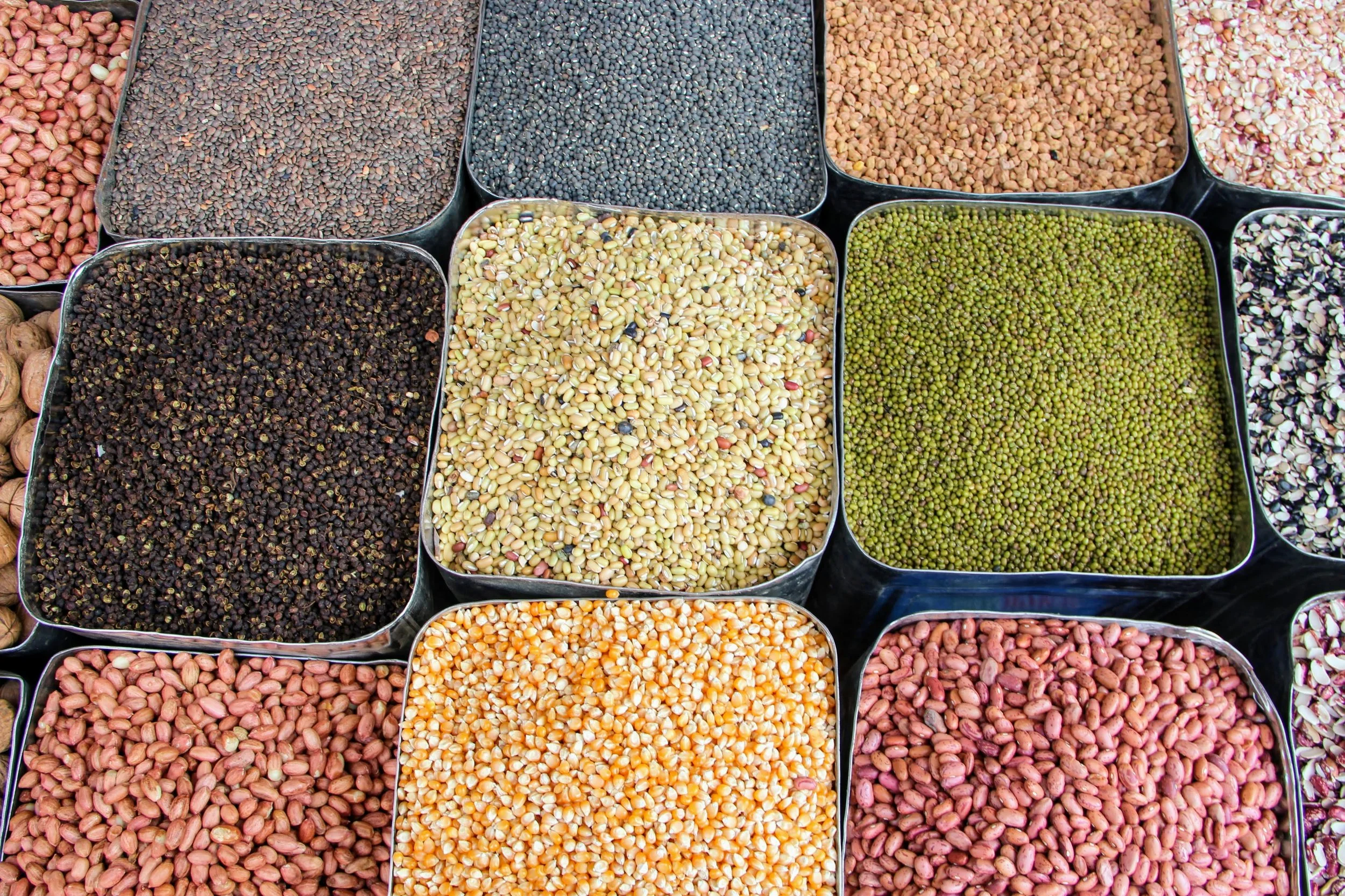
Legumes
Rich in vitamins and minerals to replenish nutrient stores postpartum while supporting circulation and energy.
FAQs
-
According to ancient practices, childbirth depletes a woman of her ‘warmth energy” and makes her vulnerable to chronic illness and incomplete healing. Choosing warm meals, warm herbs, and physically keeping the body warm helps replenish this lost warmth and supports healthy blood circulation, which is essential for recovery.
-
You can ease postpartum inflammation and boost immunity by supporting optimal circulation, choosing nutrient-dense foods, and focusing on gentle daily nourishment. Warm meals, hydration, and anti-inflammatory ingredients like turmeric, garlic, leafy greens, and healthy fats help restore balance. These habits strengthen digestion, steady your energy, support your immune system, and set you up for long-term vitality.
-
Nutrient-dense foods are essential postpartum because pregnancy, childbirth, and the early weeks after birth deplete so many vitamins and minerals. Eating foods packed with nutrients helps rebuild strength, restore balance, and support healing. Ancestral foods, herbs, and spices are especially valuable in this season because they offer concentrated nourishment that the body can use right away.
-
Common postpartum deficiencies include iron, vitamin B12, folate, and zinc, which can contribute to blood stagnation, lower immunity, and fatigue. Many women also experience low vitamin D and magnesium, which affect mood and nervous system regulation. Calcium, iodine, folate, and essential fatty acids are often depleted during breastfeeding, making replenishment especially important during the postpartum period.
-
You can support digestion in postpartum by choosing foods that are easy for your body to break down. In any state of healing, energy is diverted away from digestion, so soft, warm, and cooked foods help your body absorb nutrients more easily. Nutrient-packed broths, teas, and tonics also support healing by offering simple, gentle nourishment that is easy on the digestive tract.
-
Our gut health and mental well-being are closely linked, and this connection can influence the mood shifts many mothers experience after birth. Supporting digestion in the early days and weeks postpartum can help both the body and mind feel more balanced during this transformational time.

A little sneak peek at our Digital Postpartum Recipe Book. Inside you’ll find easy freezer recipes to prepare for postpartum, this nutrient-dense grocery list, and real-food inspiration to help you eat well and feel supported after birth. Every recipe is simple, nourishing, and made with real life in mind.
Looking for just this shopping list? It’s available in our shop as a free digital download so you can save it, print it, or return to it whenever you need.
Your postpartum meals just got a whole lot easier.